
Sports injuries can affect anyone, from professional athletes and competitive performers to weekend warriors and active adults. Whether your pain developed suddenly or gradually from repetitive activity, the right diagnosis and treatment plan can help protect your long-term mobility and reduce the risk of reinjury.
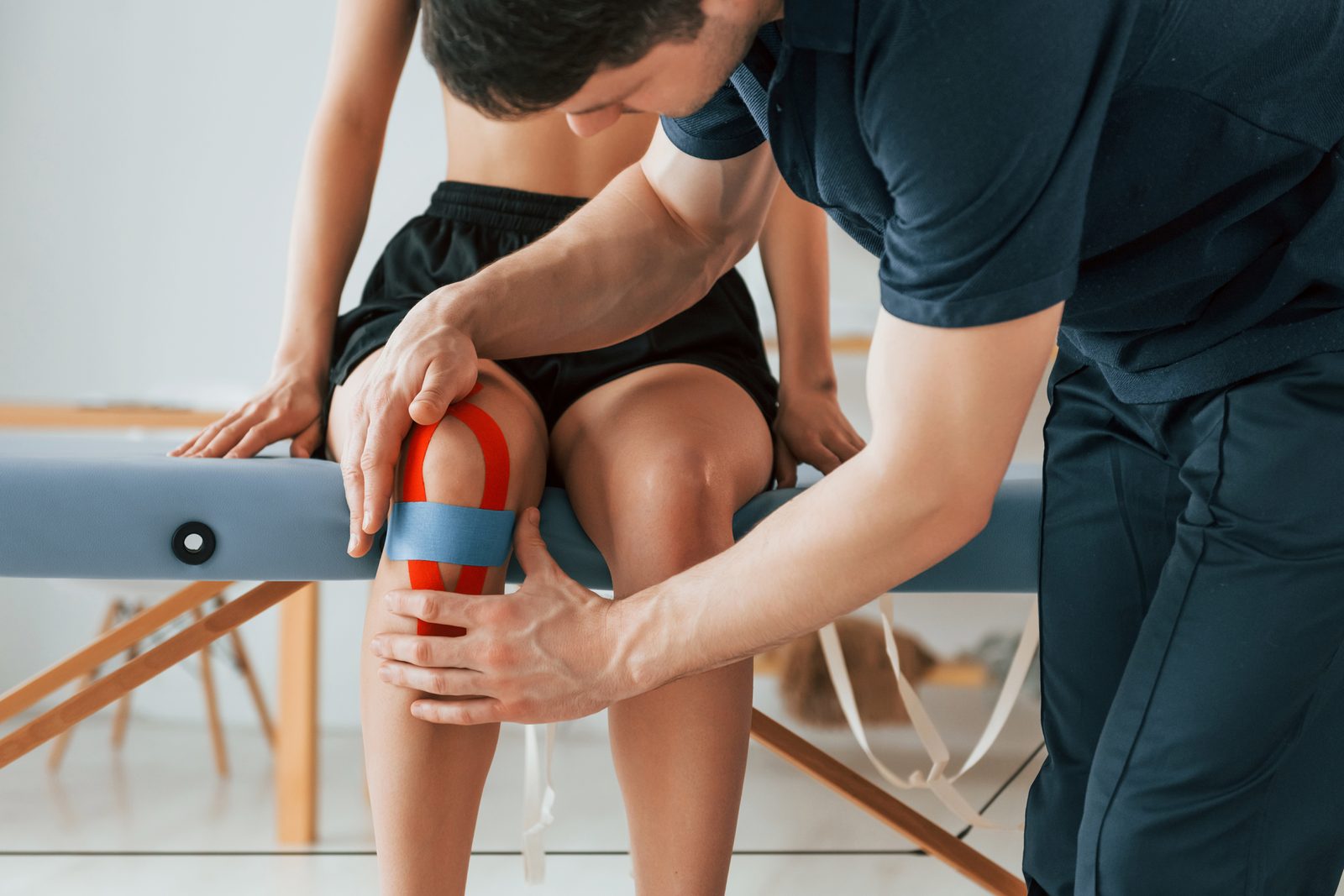
At TOPS Institute, our sports medicine and interventional pain specialists provide personalized, minimally invasive care for joint injuries, tendon problems, ligament damage, muscle strains, arthritis, and overuse conditions.
We combine advanced diagnostic evaluation, image-guided procedures, regenerative medicine, rehabilitation planning, and activity-specific guidance to help patients recover safely and return to the activities they enjoy.
Our goal is not simply to reduce pain. We focus on restoring movement, improving function, supporting tissue recovery, and helping you return to sports, exercise, work, and daily life with greater confidence.
Sports medicine focuses on preventing, diagnosing, and treating injuries related to physical activity.
At TOPS Institute, we care for patients with acute injuries, chronic overuse conditions, degenerative joint problems, and persistent pain following previous treatment or surgery.
Our physicians evaluate the complete picture, including:
Treatment is then tailored to the specific tissue involved and the level of activity the patient hopes to resume.
We evaluate and treat a wide range of sports-related and activity-related conditions.
The knee is vulnerable to twisting injuries, repetitive impact, ligament damage, and cartilage wear.
Common knee conditions include:
Treatment may include physical therapy, bracing, activity modification, joint injections, High-Dose PRP, or genicular nerve radiofrequency ablation for selected chronic pain conditions.
Learn more about Knee Pain Treatment →
The shoulder allows a broad range of movement but is susceptible to instability, impingement, tendon damage, and repetitive overhead stress.
Common shoulder injuries include:
Depending on the diagnosis, treatment may include rehabilitation, ultrasound-guided injections, PRP, joint injections, bursa injections, or referral for surgical evaluation.
Learn more about Shoulder Pain Treatment →
Elbow pain often develops from repetitive gripping, throwing, lifting, or racquet sports.
Conditions we commonly evaluate include:
Targeted rehabilitation, activity modification, bracing, ultrasound-guided procedures, and PRP may be considered depending on the condition.
Hip injuries may involve the joint, labrum, tendons, muscles, or surrounding bursae.
Common hip conditions include:
A detailed evaluation helps determine whether pain is coming from the hip joint itself or from surrounding structures.
Learn more about Hip Pain Treatment →
Foot and ankle pain can significantly affect balance, running, walking, and athletic performance.
We evaluate conditions such as:
Treatment may include bracing, rehabilitation, activity modification, image-guided injections, and selected regenerative therapies.
Soft-tissue injuries are common in sports and may result from sudden force, repetitive strain, poor mechanics, or inadequate recovery.
Conditions may include:
Early diagnosis is important because treatment differs depending on whether the problem involves inflammation, degeneration, instability, or a structural tear.
Platelet-Rich Plasma, or PRP, is a regenerative treatment that uses a concentrated portion of the patient’s own blood.
Platelets contain growth factors and signaling proteins involved in the body’s natural healing response. When injected into a carefully selected area, PRP may help support tissue repair and recovery.
At TOPS Institute, we offer High-Dose PRP using individualized preparation methods designed to achieve an appropriate platelet concentration for the tissue being treated.
PRP may be considered for selected conditions such as:
PRP may offer benefits such as:
Results vary, and PRP is not appropriate for every injury. A complete evaluation is needed to determine whether the affected tissue is likely to respond.
Regenerative medicine uses biologic materials to support the body’s natural healing response.
The field includes treatments such as PRP and other orthobiologic approaches.
PRP is one of the most widely used orthobiologic treatments in sports medicine. It is prepared from the patient’s own blood and may be considered for certain tendon, ligament, muscle, and joint conditions.
Prolotherapy involves injecting an irritant solution into selected ligaments, tendons, or joints with the goal of stimulating a localized healing response.
Evidence varies by condition, and prolotherapy is not appropriate for every injury.
Some clinics offer treatments marketed as stem cell therapy for cartilage, tendon, ligament, or joint injuries.
Patients should understand that evidence, regulation, product quality, and appropriate indications vary significantly. Many cell-based treatments remain investigational for common orthopedic conditions and should be discussed carefully with a qualified physician.
TOPS Institute evaluates regenerative options based on the available evidence, individual diagnosis, expected benefit, and treatment alternatives.
Accurate placement is essential when treating small joints, tendons, bursae, ligaments, and nerves.
Our physicians may use:
Image guidance helps the physician avoid surrounding structures and deliver medication or biologic treatment as precisely as possible.
A successful recovery begins with an accurate diagnosis.
Our evaluation process may include:
We review how the injury happened, when symptoms began, which movements worsen pain, and how the condition affects sports and daily activities.
The examination may assess:
Depending on the injury, imaging may include:
A targeted anesthetic injection may help determine whether pain is coming from a joint, bursa, tendon sheath, or nerve.
Pain relief alone does not always correct the weakness, stiffness, movement pattern, or training error that contributed to the injury.
For that reason, treatment may be combined with a structured rehabilitation plan.
Recovery planning may include:
The goal is to help the patient return safely rather than simply return quickly.
Acute injuries occur suddenly and may result from a fall, collision, twist, sprint, jump, or direct impact.
Examples include:
Overuse injuries develop gradually from repeated stress without enough recovery.
Examples include:
Determining whether an injury is acute, degenerative, inflammatory, or mechanical helps guide treatment.
Our physicians are trained in interventional pain management, musculoskeletal diagnosis, image-guided procedures, and regenerative medicine.
We prioritize minimally invasive care, rehabilitation, and targeted procedures whenever surgery can reasonably be avoided or delayed.
We offer High-Dose PRP and carefully selected orthobiologic treatments for appropriate sports injuries.
Ultrasound and fluoroscopic guidance may be used to accurately target joints, tendons, bursae, ligaments, and nerves.
Treatment is based on the patient’s injury, activity level, sport, goals, and timeline.
You do not need to be a professional athlete to receive sports medicine care. We treat patients who want to return to exercise, recreation, work, and everyday movement.
Our team assists with scheduling, imaging, treatment coordination, and follow-up care.
Same-day or expedited consultations may be available depending on scheduling, insurance requirements, and the nature of the injury.
Schedule an evaluation if you experience:
Early evaluation may help prevent a minor injury from becoming a chronic problem.
Seek prompt or emergency medical care for:
These symptoms may require emergency evaluation rather than routine sports medicine treatment.
The best treatment depends on the exact injury, tissue involved, severity, and the patient’s goals. Care may include activity modification, physical therapy, bracing, medication, image-guided injections, PRP, or surgical referral when necessary.
Schedule an evaluation if pain, swelling, weakness, instability, or limited movement persists or interferes with activity. Early diagnosis can help prevent prolonged recovery or reinjury.
A sports injury pain specialist evaluates muscle, tendon, ligament, joint, and nerve pain related to physical activity. Treatment may include diagnostic imaging, rehabilitation planning, injections, regenerative therapy, or minimally invasive procedures.
Common injuries include ankle sprains, muscle strains, tendinopathy, ACL injuries, meniscus tears, rotator cuff problems, tennis elbow, plantar fasciitis, stress injuries, and overuse syndromes.
Non-surgical treatment may include physical therapy, activity modification, bracing, anti-inflammatory medication when appropriate, joint injections, PRP, nerve blocks, and rehabilitation.
Many sports injuries improve without surgery. The likelihood depends on the severity of the tear, degree of instability, tissue involved, and patient’s activity goals.
Minor injuries may improve within several weeks, while more complex injuries can require several months. Recovery depends on diagnosis, age, tissue healing, rehabilitation, and adherence to activity restrictions.
The safest way to recover is through early diagnosis, appropriate protection, structured rehabilitation, gradual progression, and avoidance of premature return to activity. Returning too quickly can delay healing.
PRP may help selected tendon, ligament, and joint conditions, but results vary. It is not appropriate for every injury, and outcomes depend on diagnosis, preparation method, injection technique, and rehabilitation.
Neither treatment is universally better. Cortisone primarily reduces inflammation and may provide faster temporary relief. PRP is intended to support a healing response and may take longer to work. The right choice depends on the tissue and diagnosis.
Most patients feel brief pressure or discomfort. Local anesthetic may be used, and image guidance helps improve precision.
Return-to-activity timing depends on the procedure and injury. Some injections require only a short period of rest, while PRP may require a more structured recovery and rehabilitation plan.
Yes. Sports medicine is appropriate for anyone with an activity-related musculoskeletal injury, including active adults, performers, workers, recreational athletes, and patients seeking to return to exercise.
Same-day or expedited appointments may be available depending on physician scheduling, insurance requirements, and the urgency of the condition. Call 310-694-9494 to check availability.
Cost varies depending on the consultation, imaging, procedure, medication, facility, and insurance coverage. Our office can review available pricing and coverage information before treatment.
A sports injury does not have to keep you sidelined indefinitely. With an accurate diagnosis, personalized treatment plan, and structured rehabilitation program, many patients can return to exercise and everyday activity without surgery.
Contact TOPS Institute to schedule an evaluation with a sports medicine and pain management specialist in Los Angeles or Beverly Hills.
Phone: 310-694-9494 Email: info@topsdoctors.com Address: 640 South San Vicente Blvd., Suite 389, Los Angeles, CA 90048
Leave a message or give us a call — we'll find a time that works for you.
310-694-9494