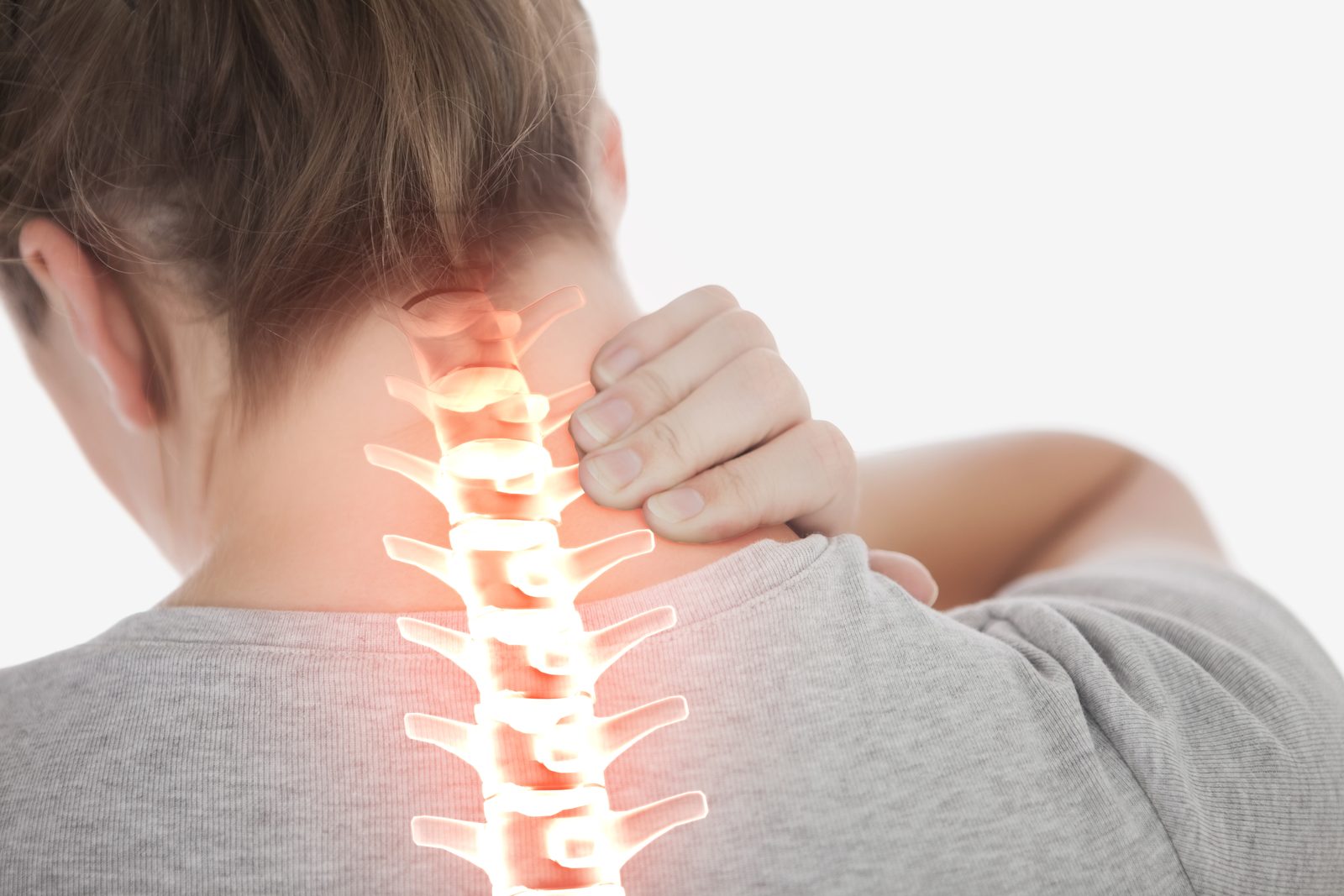

Neck pain can affect every part of your daily life—from working at a computer and driving to sleeping comfortably and enjoying everyday activities. Whether your symptoms began after an injury or developed gradually over time, the specialists at TOPS Institute provide personalized, evidence-based care designed to relieve pain, restore function, and help you return to the activities you love.
Our board-certified pain management specialists treat the full spectrum of acute and chronic neck pain, using advanced diagnostic techniques and minimally invasive interventional treatments to address the source of your pain—not just the symptoms.
Neck pain can develop from injuries, age-related changes, poor posture, repetitive movements, or underlying spinal conditions. At TOPS Institute, we carefully evaluate your symptoms to determine the exact cause and create a customized treatment plan.
Mechanical neck pain is one of the most common causes of cervical discomfort. It typically develops from muscle strain, ligament stress, poor posture, prolonged desk work, repetitive movements, or everyday wear and tear of the cervical spine.
Whiplash occurs when the neck is suddenly forced forward and backward, commonly during motor vehicle accidents, sports injuries, or falls. This rapid movement can injure muscles, ligaments, tendons, and cervical joints.
Cervical radiculopathy occurs when a nerve root in the neck becomes compressed or irritated. This condition is commonly caused by a herniated disc, bone spur, or degenerative changes in the cervical spine.
Many patients with cervical radiculopathy respond well to conservative treatment and image-guided spinal injections without requiring surgery.
Read the full Cervical Radiculopathy (Pinched Nerve) pageCervical spondylosis, commonly known as neck arthritis, is an age-related condition caused by degeneration of the discs, joints, and bones in the cervical spine. As cartilage wears down, inflammation and bone spurs may develop, leading to chronic pain and stiffness.
Our specialists provide advanced treatments that help reduce inflammation and improve mobility while minimizing reliance on pain medications.
Read the full Cervical Spondylosis (Neck Arthritis) pageA cervical disc herniation occurs when the soft center of a spinal disc pushes through its outer layer, placing pressure on nearby nerves.
Disc herniations may develop from injury, repetitive strain, or natural aging.
Early diagnosis and minimally invasive treatment can often prevent symptoms from progressing.
Read the full Cervical Disc Herniation pageCervical spinal stenosis is the narrowing of the spinal canal in the neck, placing pressure on the spinal cord or nerve roots. This condition is most commonly caused by arthritis, thickened ligaments, or degenerative disc disease.
Prompt evaluation is important to prevent worsening neurological symptoms.
Read the full Cervical Spinal Stenosis pageDegenerative disc disease develops as the spinal discs gradually lose hydration and flexibility with age. As discs wear down, they provide less cushioning between the vertebrae, contributing to chronic neck pain and nerve irritation.
Our goal is to reduce inflammation, improve function, and help patients maintain an active lifestyle without unnecessary surgery whenever possible.
Read the full Cervical Degenerative Disc Disease pageMyofascial neck pain is caused by tight muscles and sensitive trigger points within the muscles and connective tissues of the neck and upper back. It commonly develops from poor posture, stress, repetitive movements, prolonged computer use, or previous injuries.
Targeted treatments can help relax muscles, reduce pain, and restore normal movement.
Read the full Myofascial Neck Pain pageEvery patient experiences neck pain differently, which is why our physicians develop individualized treatment plans based on your diagnosis, symptoms, and lifestyle.
Treatment options may include:
Image-guided cervical epidural steroid injections deliver anti-inflammatory medication around irritated spinal nerves to reduce inflammation and relieve pain caused by conditions such as cervical radiculopathy, disc herniations, and spinal stenosis.
Trigger point injections target painful muscle knots that contribute to chronic neck pain, tension headaches, and myofascial pain syndrome. These injections help relax muscles, decrease spasms, and improve mobility.
Facet joint injections reduce inflammation in the small joints of the cervical spine that commonly become painful due to arthritis and degenerative changes. These injections also help determine whether the facet joints are the primary source of pain.
For patients experiencing chronic neck pain from arthritic facet joints, radiofrequency ablation provides long-lasting relief by interrupting pain signals from the affected nerves. Many patients experience significant improvement lasting several months or longer.
Botox injections may be recommended for patients with chronic muscle spasms, cervical dystonia, or persistent muscle-related neck pain. Treatment helps relax overactive muscles while improving comfort and range of motion.
These are the procedures our specialists most often use for neck pain. Your plan is confirmed after examination and imaging.
At TOPS Institute, we combine advanced pain management techniques with compassionate, concierge-level care. Our specialists use state-of-the-art diagnostic imaging and minimally invasive procedures to provide personalized treatment plans that prioritize long-term relief and improved quality of life.
Whether you’re suffering from a pinched nerve, neck arthritis, a herniated disc, or chronic muscle pain, our goal is to help you avoid unnecessary surgery whenever possible and get back to living pain-free.
The best treatment depends on the underlying cause of your neck pain. At TOPS Institute, we perform a comprehensive evaluation and may recommend physical therapy, medications, epidural injections, facet joint injections, radiofrequency ablation, or other minimally invasive treatments.
You should seek evaluation if neck pain lasts longer than a few weeks, continues to worsen, radiates into your arms, causes numbness or weakness, or interferes with daily activities.
Neck pain injections deliver medication directly to inflamed nerves, joints, or muscles using imaging guidance. This reduces inflammation, relieves pain, and can improve movement while helping identify the source of symptoms.
TOPS Institute offers advanced image-guided neck pain injections for patients throughout Los Angeles, Beverly Hills, and surrounding Southern California communities.
Relief varies depending on the individual and underlying condition. Many patients experience pain reduction lasting several weeks to several months.
Treatment often includes physical therapy, anti-inflammatory medications, facet joint injections, medial branch blocks, or radiofrequency ablation depending on symptom severity.
Yes. When performed by experienced pain management physicians using fluoroscopic or ultrasound guidance, neck injections are generally considered safe and effective with a low risk of complications.
Cervical injections may be used to treat cervical radiculopathy, herniated discs, spinal stenosis, cervical arthritis, degenerative disc disease, facet joint pain, and chronic neck pain.
Most patients improve with conservative care and minimally invasive treatments. Surgery is generally reserved for severe neurological symptoms, spinal instability, or cases that fail non-surgical treatment.
Look for a board-certified interventional pain management physician who offers comprehensive evaluations, advanced diagnostic imaging, minimally invasive procedures, and personalized treatment plans focused on long-term pain relief.
Leave a message or give us a call — we'll find a time that works for you.
310-694-9494